
Groups therapy for shared healing and connection
If group life feels complicated, you are not alone in that. We offer a space to slow things down, notice what is happening between people, and work with it together.
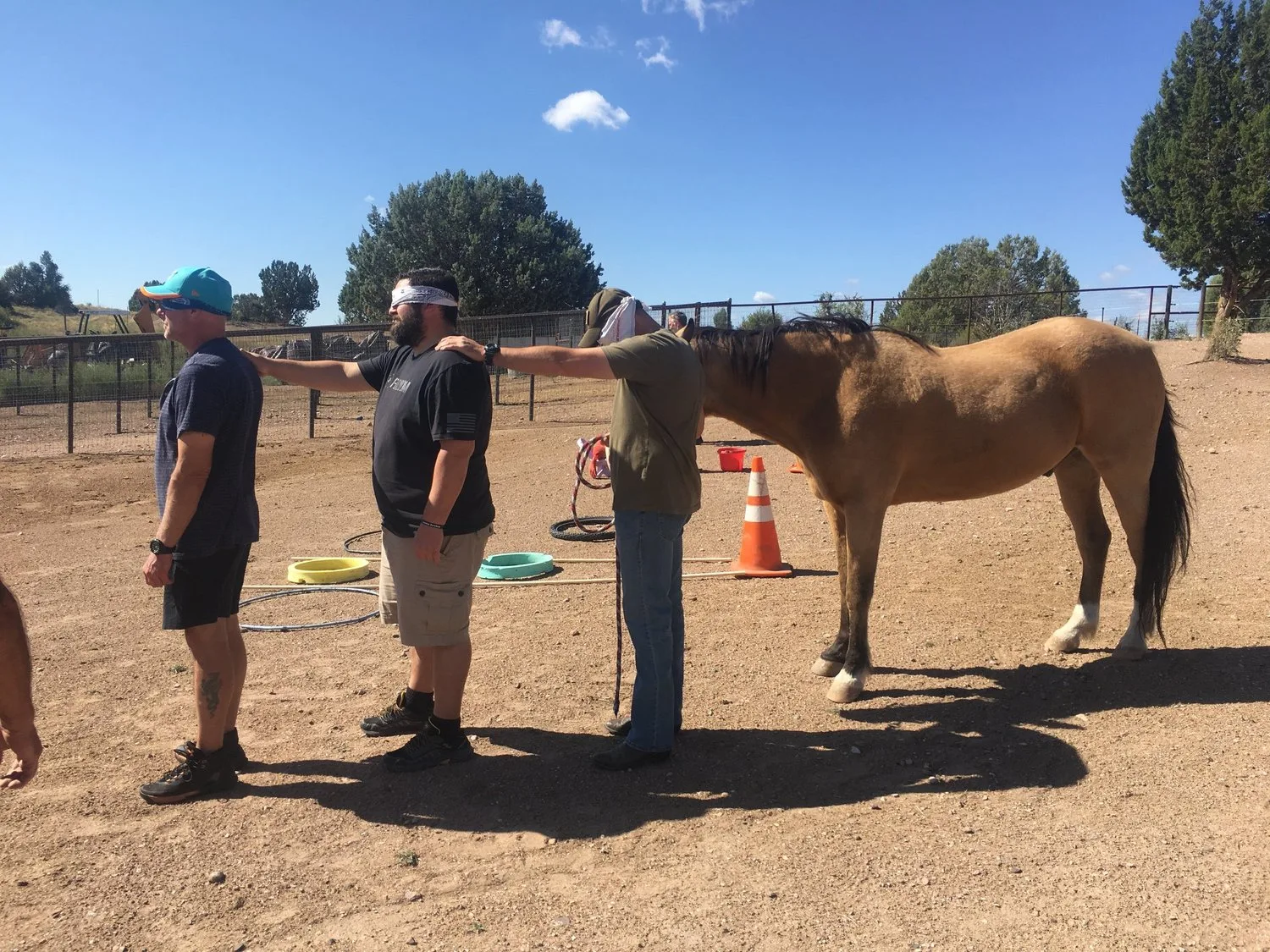
What people bring us
People often come to group therapy because they feel stuck repeating the same patterns with other people. Some want a place where they do not have to carry everything alone. Others are looking for support with trust, boundaries, conflict, or feeling understood. Group work can also help when someone wants to hear their own experience reflected back in a real way. For some, it is the first time they have had room to practice new ways of being with others.
- I keep having the same problem with people.
- I want support, but I do not know how to ask for it.
- I feel out of place even when I am with others.
- I shut down when things get tense.
How we work with it
We pay attention to what happens between people as well as what each person says. That can include how someone holds back, how they reach out, and what gets stirred up in the moment. Depending on the group, we may focus on connection, shared reflection, or making space for different ways of participating. The work stays grounded in the people in the room rather than in a script.
- Somatic Therapy
- In groups, this helps us notice how each person is showing up in their body while they are with others. We may slow down to track tension, distance, and the moments when connection feels harder or easier.
- Neurocounseling
- This gives us a way to think about nervous-system patterns in real time with other people present. It can help us notice what happens when someone feels activated, shut down, or suddenly more settled in the group.
- Brainspotting
- In a group context, this can support moments that are hard to put into words. We use attention and focus to stay with what is present without pushing for more explanation than feels workable.
What the first sessions look like
The first conversations are about what brings you in, what kind of group fit you are looking for, and what feels important to pay attention to. You do not need to come in knowing exactly how to talk about it. We will sort through what you want from the work and what group might ask of you.
We offer a free 15-minute consultation. We respond as soon as we can.
We pay attention to what happens in the room, not just what was said before it.
Questions people ask
What happens in group therapy?
We talk about what brings each person in and what is showing up between people. The group becomes a place to notice patterns, reactions, and moments of connection as they happen.
Do I have to share everything in a group?
No. You can move at a pace that feels workable for you. We pay attention to participation without expecting anyone to say more than they are ready for.
Is group therapy good for anxiety and relationship stress?
Many people come to group work because anxiety or relationship strain shows up most strongly with other people. Group gives us a live place to notice those patterns instead of only talking about them afterward.
How is group counseling different from individual therapy?
In group work, the relationships in the room are part of the work itself. That means we can pay attention to how you relate, not only to what you describe.
The practical details
- Fees
In-office or telehealth sessions are $170/hour with Andrea. Equine-assisted Psychotherapy sessions are $200-225/hour depending on provider. Sliding scale rates are available.
- Insurance
We are in network with Aetna, BCBS, and the State Health Plan. We also offer out-of-network billing.
- Where
1829 E. Franklin Street, Chapel Hill, NC 27514
- Availability
We are accepting new clients.